65 Lenders
€ 32 million
18 Farmers
Zambia

WHY ZAMBIA?
Zambia gained independence in 1964. Since then, it has been politically stable and a safe environment for investments. The constitution is based on the British law and there is respect for ownership. The law allows registering the farm as collateral against loans. Law enforcement works sufficiently.
The country is land locked and measures 752,612 km2. It is 19 times the size of Nederland. The population is around 21 million people (2023). There are around 400 commercial farms (> 1 USD million turnover/annum) and around 1 million small farmers.
Zambia is on an altitude of roughly 900 – 1600 meters above sea level. Most productive areas are around 1200-1300 meters. Rainy season starts in November up to early April. Rainfall averages from 800 mm/annum in the south to 1500 mm/annum in the north. An important agriculture area is Mkushi. Rainfall over there is around 1000 mm/annum. Farmers store water in dams or pump straight from rivers or boreholes.
Temperature is moderate 15 – 28 degrees Celsius in winter (April – August), hotter and more humid (23 – 35 degrees Celsius) towards the rainy season (September – October) and in the first part of the rainy season (November-January). Temperature is slowly going down towards the end of the rainy season (February – March).
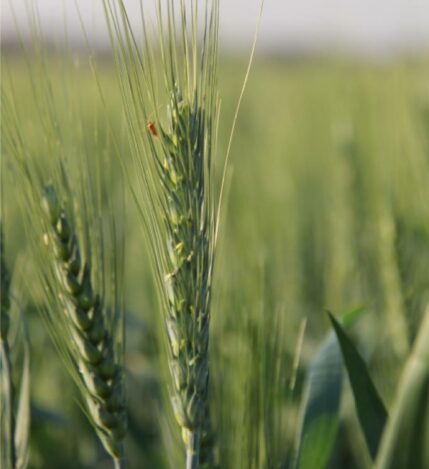
Summer is ideal for tobacco, soybean, maize, seed maize and cotton. Onions and potatoes do well when planted just after the rainy season. Typical winter crops are wheat and barley. The main agriculture commodities are traded in USD. That reduces the currency risk when lending in USD or EUR. The Zambian Kwacha (ZMW) is losing on average 10-20% value annually against the USD.
Maize is used to make ‘mielie meal’ which is the main staple. Other big crops are tobacco and cotton. Commercial farmers are growing wheat, barley, soybean, seed maize, potatoes, onions, sugarcane and tree crops like macadamia and avocado. Most commodities are traded regionally, to the Democratic Republic of Congo (DRC) and to the Great Lakes region. Only the high value crops find their way to markets in the Middle East and Europe.
The road network is reasonable well developed. Power is a problem in dry seasons as over 80% is hydropower. Zambia is yet to broaden their energy sources to avoid power cuts and load shedding.
Over the years Vondeling Africa have built a solid network of farmers, suppliers, buyers, accountants, insurance brokers and lawyers. We know the country and its agriculture producing areas well. Flying from Europe goes via Nairobi or the Middle East. From mainland Europe there is only 1 hour time difference during the winter.
The government is still offering vast amounts of titled-land on 100-year leasehold for commercial farming. Plenty opportunities!
PASSION FOR SUSTAINABLE FOOD & AGRICULTURE
Contributing to the development of sustainable Food & Agri in Africa is our main driver. Finding the right balance in soil use, water and human resources in a way that the local population benefits as much from job development, as an investor does from return on investment. Or return on farming.
It is about rebuilding degraded soils and enriching existing well producing soils to increase the yield per hectare. Intensive use of agriculture land ensures sufficient land for nature and wildlife will be maintained.
We believe that food production must take place on medium to large scale farms who are able to produce cost-effective. Only then Africa will be able to face international competition and become self-sufficient for the main staples.
The share of African agriculture exports in foreign exchange earning is growing. This area needs further investment and development. Avocado, mango, blueberries and macadamia are booming globally and the climate for these tree-crops is favorable in large part of the continent.
Did you know that the average farm gate wheat price is around USD 500/ton in Zambia? And that Zambia still imports wheat? There is plenty of room for the expansion of agriculture production in this market. The same applies to many crops in other African countries.